Jean is not a mere cloth, it is technologically crafted heritage. There are high-quality jeans, whose fade and fit are valued attributes of the product, that are the result of artisanal production that combines tradition and innovation. By 2026, when sustainable practices will make the craft more advanced, learning the art behind the scenes will help to understand why premium denim is something to respect and is a multi-generational investment.
Sourcing Superior Cotton
 It begins with the raw material: long-staple cotton, which grows in such regions as the U.S. Southwest or Zimbabwe. They produce long fibers that are up to 1.5 inches long, which produced smoother and stronger yarns than short-staple ones. Organic farms also focus on increasing ethical growth, which reduces the use of pesticides. Regenerative practices regenerate soil in 2026, which means traceable harvests that are eco-friendly, and which constitute the solid foundation of denim.
The Weaving Process
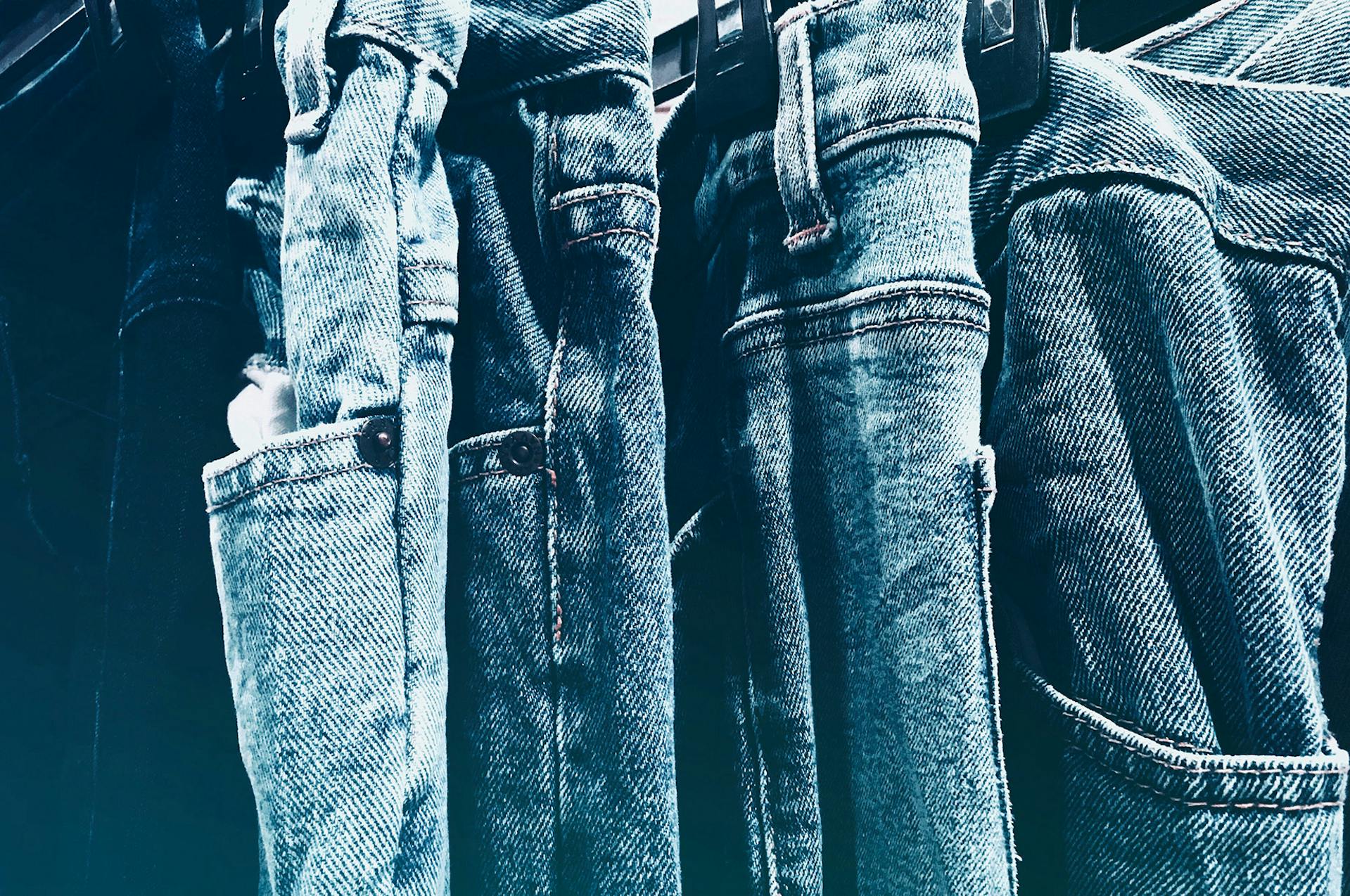 The denim is woven in shuttle mills, forming selvedge ends, the frayed redline selvedge that the mills leave behind it. The vertical (warp yarns) and the horizontal (weft) interlace to form indigo-dyed cotton rigidity at tight weights of 14-16 oz. Mimicking the cone mills of the 1800s, slow, antique looms in the form of those in Okayama, Japan, manufacture textured “slub” yarns. This is a hand-woven process giving the denim its character which is not available in mass-produced denim.
Iconic Indigo Dyeing
Natural or synthetic vats of indigo make true blue. Raw denim does not have pre-washes, and it comes stiff to be faded personally. Yarns are dipped into by artisans many times, and oxidation in air is done to penetrate the yarn-deep vintage colors- up to 12 dips. Sustainable stonewashing is now being imitated by laser technology, using water 95 percent less, but hand-distressing is a way of maintaining the artisanal touch.
Cutting and Sewing Mastery
The patterns are hand-drawn to fit exemplary ergonomics, such as: high-rise, taper-leg, or bootcut, using vintage-inspired models. Sewing uses chain-stitched hems and bar-tacks in areas of stress which is done on Union Special machines. Pockets are strengthened with copper rivets, invented by Levi Strauss in 1873. Each pair is marked with something secret such as chain-stitched arcuates on back pockets.
Finishing and Aging
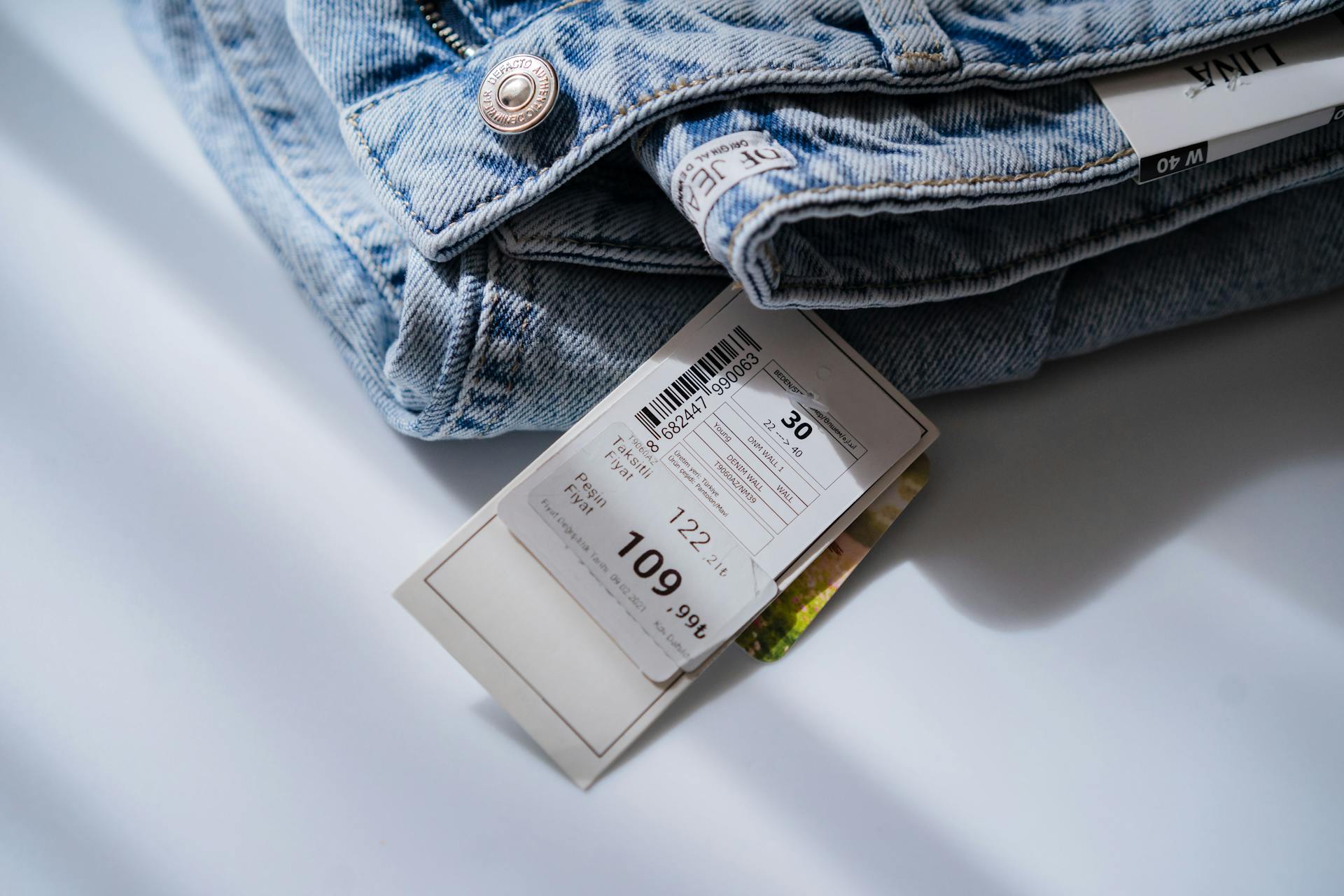 After assembly, parts are subjected to sanforization, which is steam-controlled shrinkage in order to avoid warp after purchase. Others get washes or teasel brushing to make them soft without losing the potential. Potassium sprays are artisanal finishes that form naturally the so-called whiskering. The longevity is guaranteed through wear-testing, and the high-quality pairs have more than 1,000 wears.
Sustainability in Modern Craft
The current masters incorporate green technologies: closed-loop dyeing uses 99% of water, and bi-enzymes instead of strong chemicals. The carbon footprints are monitored through blockchain by brands and are desirable to conscious consumers. The artisan fashion neighborhoods such as the Los Angeles denim industry rejuvenate manufacturing in the United States combining tradition with technology.
The art of making denim is a magic one- cotton can be turned into heirlooms and worn. Every stage requires patience, ability, passion and in the end you get jeans that fit your life. This craftsmanship is surviving in a throw away world where quality denim is not purchased, but it is earned by wearing.