Lifestyle brands are not about clothes, but identities. Combining fashion, music, wellness, and vibes, they have entered the pop culture making celebrities become a business mogul. That is to say that in Supreme drops to athletic empires, their rise in 2026 is a desire to experience something more authentic and immersive in a digital oversaturated world.
Roots in Streetwear and Hip-Hop
The hype began in the 1990s with Stüssy and Supreme, mixing up the skate culture and limited editions. It was hastened by hip-hop: Jay-Z Rocawear and 50 Cent G-Unit clothes, reflecting the entrepreneurial spirit of rap, followed. These brands were not selling equipment but style, community, and exclusivity through collabs and resell culture.
Celebrity Takeover: From Stage to Shelf
Yeezy by Kanye West was a reinvention of luxury-meets-street and brought in billions of dollars in Adidas deals. Fenty by Rihanna was extended into skincare and lingerie, both in favor of inclusivity. Cactus Jack by Travis Scott encircles hoodie to festivals, enhancing Utopia tour style. These stars use fame as a shortcut to credibility, and there is a lack of distinction between the artist and the business person.
Athleisure and Wellness Wave
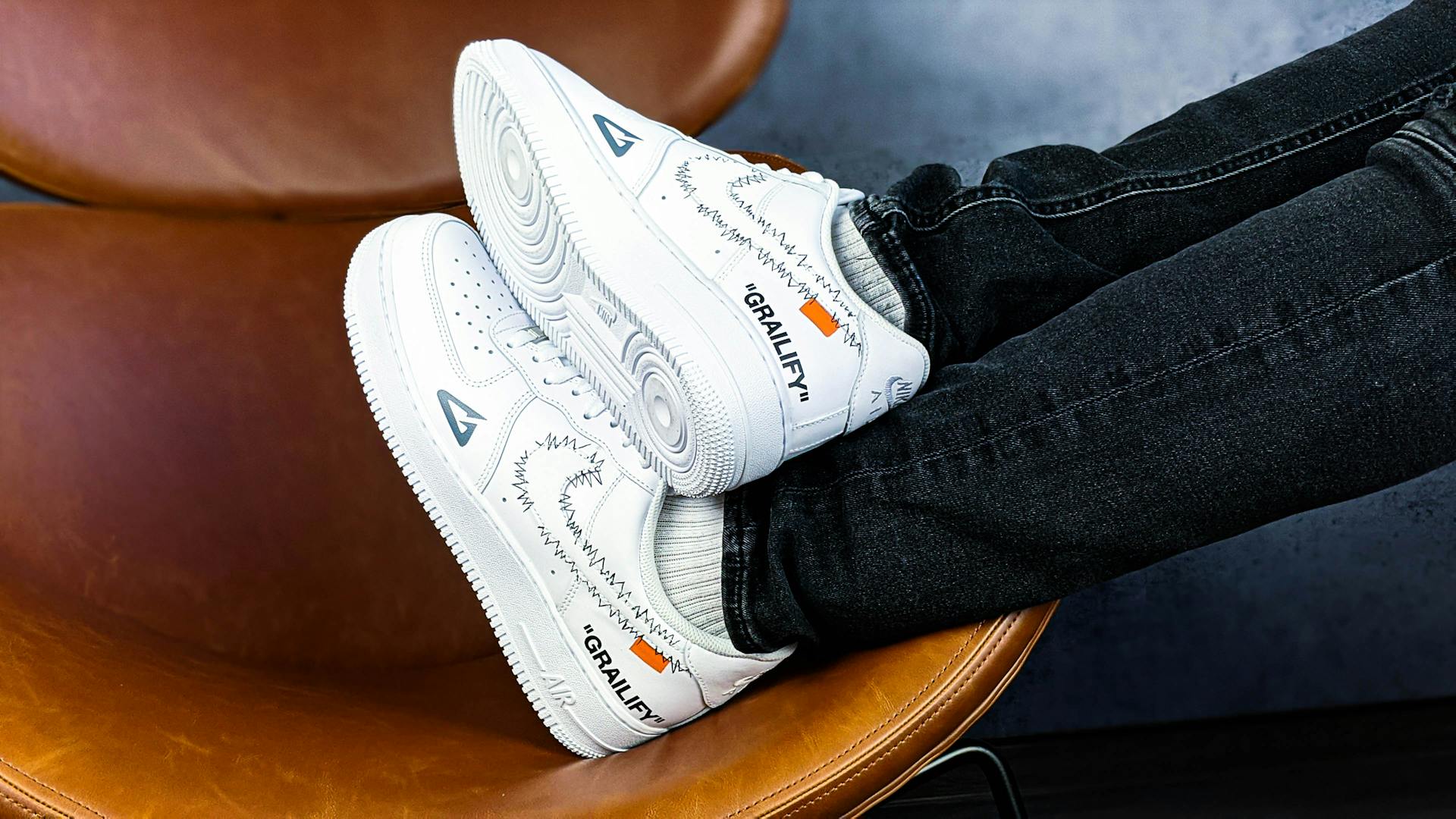 Lululemon had first introduced performance clothing as lifestyle, but Hailey Bieber Rhode and Kendall Jenner 818 Tequila put some glamour in everyday habits. Gymshark and Alo yoga monopolize through influencer armies, whereby they market manifestation fits. Selling holistic vibes, such as yoga mats, candles and even apps, post-pandemic, the brands capitalize on wellness booms.
Social Media as the Launchpad
Tik Tok and Instagram are sources of virality. Through family vlogs, Charli D’Amelio promotes D’Amelio Brands line through casual wear. MrBeast associated gaming hype with merch with Feastables chocolate. FOMO is caused by drops teased in Reels, and the sales are closed with AR try-ons. Buyers are turned into marketers through user-generated content which increases reach on an organic basis.
Sustainability and Values-Driven Appeal
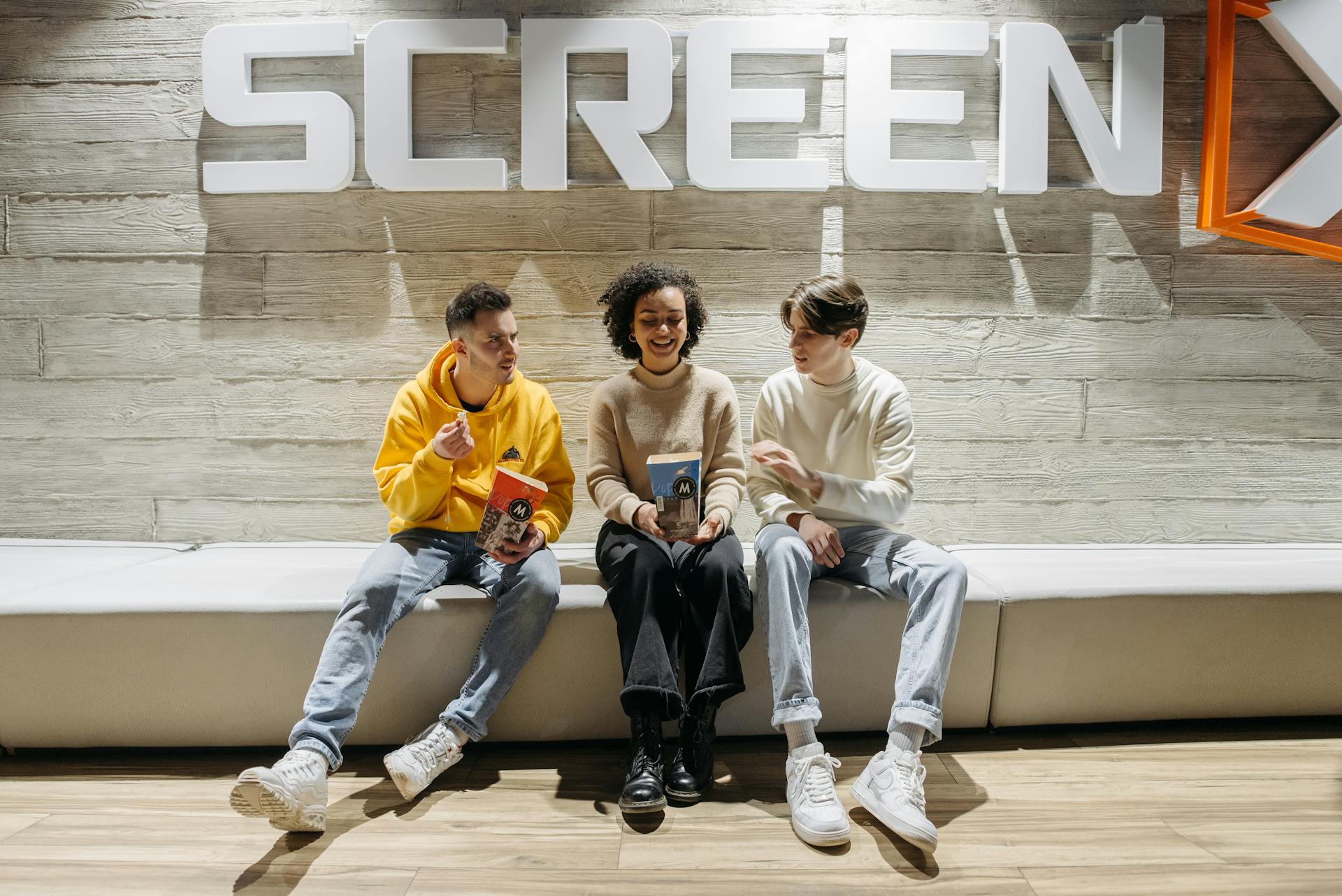 Gen Z demands purpose. The Everlane transparent pricing and the Stella McCartney vegan leathers are motivated by the activism of Patagonia. The body-positive campaigns conducted by Aerie are culturally appropriate. NFTs, carbon-neutral delivery, and resale solutions have been adopted by lifestyle brands, and profit is made in harmony with the planet – imagine that the wool sneakers of Allbirds have become a kind of eco-status symbol.
Global Expansion and Pop Culture Dominance
BTS and the menswear collections of Bad Bunny make HYBE and labels go global, respectively. Coachella and Glastonbury have stage brand activations, which have become part of the festival folklore. Merchandising such as streaming tie-ins, such as Spotify playlist, is more immersive.
The Future: Immersive Ecosystems
Lifestyle brands become metaverses by 2026 Nike has Nikeland, which provides virtual drops. They create the stories, including the Eras tour hoodies of Taylor Swift and the Renaissance athleisure of Beyoncé. It all depends on the telling: it is the dream that the fans purchase, but not the product per se.
The reason that lifestyle brands work is that it is reflecting the beat of pop culture, authentic, experience-driven, irresistible. They do not follow fads, they make them, and transform commerce into culture.